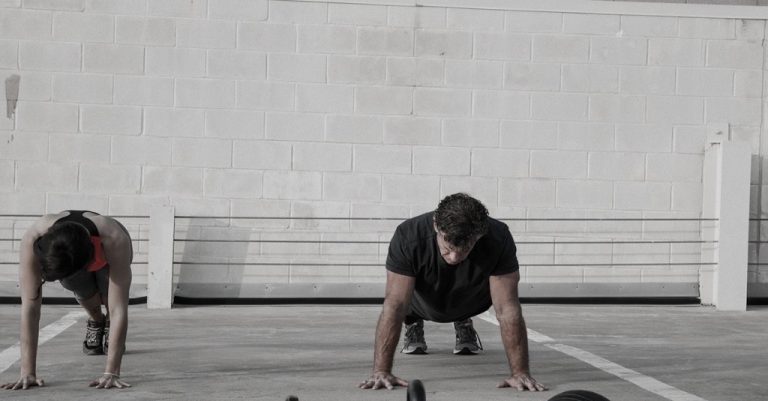
You’ve trained before. Maybe you were consistent. Maybe you got strong. Then life happened, and you stopped. Now you’re not sure if you can get back, or if it even matters anymore.
It matters. And you can. The problem isn’t that you can’t do the work—it’s that nobody’s watching, nobody’s correcting you, and nobody’s telling you it’s going to work. That’s where I come in.
I’ve coached in Houston for 25 years. A fitness coach isn’t a gym orientation. A fitness coach writes your program based on your goal and how your body moves. A fitness coach watches every rep. A fitness coach changes the plan when you need it. I do that.
Tell me your goal and how many days a week you can train.
What Actually Happens When You Work With a Fitness Coach
A fitness coach does three things that a gym membership doesn’t: assess, program, and adjust.
Assessment: I watch how you move. Where are you tight? Where are you weak? Is your left side weaker than your right? Do you favor one side of your body? Are your hips locked up? Is your thoracic spine mobile? Most people train with zero understanding of how their body actually moves. A fitness coach fixes that first.
Programming: Based on that assessment and your goal, I write your program. If you want fat loss, the program looks different than if you want pure strength. If you want to move better and feel capable, we program for that. The program changes week to week based on your progress. You’re not doing the same ten exercises forever.
Adjustment: During each session, I watch you work. If your form breaks down, I fix it immediately. If the weight’s too light, we load it. If you’re struggling, I scale it. If you’re flying through reps, we change the tempo or add resistance. That’s coaching. That’s why you get results.
The Real Difference: Coaching vs. Trainer vs. Gym Membership
A lot of people use the words “trainer,” “coach,” and “fitness instructor” interchangeably. They’re not the same thing, and understanding the difference is why some people transform their bodies and others spin their wheels.
A gym membership gives you access to equipment. You’re on your own. You might lift heavy or light. You might do the same workout you did in 2015. Nobody watches. Nothing changes except you get tired.
A personal trainer shows you how to use the equipment. They might demonstrate a squat or a dumbbell press. They make sure you’re not injured. A lot of trainers in big box gyms are this. It’s better than the gym alone, but they’re not building you a plan. They’re not watching your progress. They’re not making adjustments based on your specific weak points.
A fitness coach builds a plan around you. Your age, your goal, how your body moves, what you’re weak at, what you need to work on. The coach watches every rep. The coach makes adjustments in real time. The coach knows that you’re stronger on certain days, and programs accordingly. The coach measures progress and changes the program to keep driving it.
Most people who say “training doesn’t work” tried the gym alone or got a trainer for two sessions. They never had a coach.
Ready for personalized guidance?
Why Kettlebells and Functional Work Get Results
My program centers on kettlebells, functional strength, and intervals. That’s not because I’m trendy. It’s because 25 years of working with real people shows this works faster than anything else.
Kettlebells: A kettlebell forces you to stabilize. It’s not a machine that guides the weight. When you swing or press a kettlebell, your entire body has to work. Your core engages. Your stabilizer muscles fire. You get stronger, more mobile, and more resilient in the same amount of time it takes someone to do isolation exercises on a machine.
Functional strength: I program movements that translate to real life. A kettlebell swing develops power in your posterior chain—the same power you need to get up from a chair, to carry groceries, to move without pain as you get older. You’re not sitting on a leg extension machine doing isolated quad work. You’re doing compound movements that make you actually stronger in the real world.
Intervals: Fat loss requires volume and intensity. Steady-state cardio on a treadmill for 45 minutes works, but it’s slow. High-intensity intervals—alternating hard work with recovery—burn more fat in less time and preserve muscle. Three to four days a week of intervals plus strength work gets faster results than five days of moderate activity.
This is why most people see changes in eight weeks: they’re doing real work, not just going through motions.
How Many Days Should You Actually Train?
This is the question that determines your results. One day a week keeps you consistent but won’t change your body. Two days a week works, but you’re looking at 12 to 16 weeks to see real changes. Three days a week is the sweet spot for fat loss and strength: you’re training enough to drive progress, but you have enough recovery time to actually get stronger.
Most people I coach train three days a week. They see results in four weeks and significant changes in eight weeks. That’s the timeline you should expect.
Some people say “I can only do two days a week.” Okay. Commit to two days for three months and you’ll see progress. But if you want to accelerate, three days changes everything.
Weekly Rates
- 1 session per week: $100
- 2 sessions per week: $165
- 3 sessions per week: $200
Pick your days. Pick your times. That’s your weekly cost. Same rate whether you start at 6 AM or 6 PM, Monday or Saturday.
Tell me your goal and how many days a week you can train.
Who Should Work With a Fitness Coach (And Who Shouldn’t)
You should sign up if: You used to train and want to get back to it. You’re busy but serious about committing three days a week. You want your hour to count—no wasted time, no talking through the workout. You want to look better and feel stronger, and you’re willing to do the work. You understand that you need someone watching and correcting, not just cheering.
You should not sign up if: You want a friend to chat with during your workout. You’re not ready to commit to showing up consistently. You’re looking for someone to convince you that training matters—you need to know that already. You want results without work. If any of those are true, I’m not your coach, and that’s okay.
Questions People Ask About Fitness Coaching in Houston
What’s the difference between a fitness coach and a personal trainer?
A trainer demonstrates exercises and makes sure you’re safe. A coach builds a complete program based on your goals, watches you work, corrects your form in real time, and adjusts the plan based on your progress. Most big-box gyms have trainers. A fitness coach is something different. A coach changes your body.
How long before I see actual results from coaching?
This depends on how often you train and how consistent you are. Most people training three days a week feel different in four weeks—more energy, better sleep, clothes fit different. You’ll see visible changes in eight weeks. Two days a week takes longer, around 12 weeks. One day a week keeps you moving but isn’t fast enough for major changes. Consistency matters more than intensity over time.
Why should I hire a fitness coach instead of going to the gym alone?
Going to the gym alone, most people waste time. They do exercises they’ve always done. They don’t progress because nobody’s watching. They get injured because nobody corrects them. A fitness coach eliminates all of that. You get a plan. You get correction. You get results. After 25 years, I’ve never seen someone transform alone. I’ve seen thousands transform with coaching.
Is fitness coaching worth the cost?
If you have $200 a month and you’re serious about changing your body, yes. Three sessions a week with programming and coaching gets you results. That’s $50 per session, which is less than most trainers charge per hour. If you’re not going to commit, it’s not worth anything. If you’re going to show up three times a week for eight weeks, it’s worth ten times the price because your body will be different.
Do I need to be in shape to start working with a fitness coach?
No. I work with people who haven’t trained in years. I work with people who’ve never trained. Your fitness level determines where we start, not whether we can start. I assess what you can do and build from there. Every program I write is scalable—we start where you are and progress from there.
What if I get injured or have pain?
Tell me. We adjust. If your knee bothers you, we program around it while we work on mobility and strength to fix it. If your shoulder is tight, we don’t avoid it—we mobilize it and strengthen it properly. Most pain comes from imbalances that training fixes. A fitness coach knows this and programs accordingly.
How is fitness coaching different from online training programs?
Online programs give you a template. You do the same workout everyone else does. If something doesn’t work for your body, nobody adjusts it. A fitness coach watches you. I see when your form breaks down. I see when you’re favoring one side. I see when the weight needs to go up. I change things in real time. That’s why coaching works and templates don’t.
Can I train one day a week and still get results?
One day a week keeps you consistent and keeps you moving, but it won’t change your body fast. You’d be looking at six to nine months to see real changes. Two days a week accelerates that to three to four months. Three days a week gets you results in eight weeks. Pick based on your goal and timeline.
Get Started With a Fitness Coach in Houston
I train at 4665 Southwest Freeway, Houston, TX 77027.
Hours: Mon–Fri 8:00 AM–8:00 PM, Sat 8:00 AM–4:00 PM. Closed Sundays.
Questions? Call (281) 889-4901.
Tell me your goal and how many days a week you can train.